
Whoa! That first panic hit me the way a cold splash of water does. I clicked approve on a popup, and my gut said something felt wrong. My instinct said: wait—what exactly am I signing? Initially I thought the popup language was fine, but then I realized a single ambiguous line could authorize multiple token moves and even delegated approvals that keep working later on.
Seriously? Yep. Browser-extension wallets are tiny apps with huge power. They sit between your browser and blockchains, and that middle seat is where most surprises happen. On one hand they make DeFi accessible; on the other hand they centralize attack surfaces that used to be scattered across cold wallets and desktop nodes, which is weird if you think about it for more than a minute.
Here’s the thing. UX choices are security choices. A short confirm button is a product decision and also an implicit security policy. Something as simple as truncating token addresses or hiding calldata in a “Details” accordion can turn a harmless-looking approve into a nightmare. I’m biased, but that part bugs me, especially when I watch new users click very very fast through screens—like they’re ordering fries, not risking funds.
Okay, so check this out—there are concrete design features that actually make a browser wallet safer. Some wallets show a clear human-readable summary of what a transaction will do. Others simulate the transaction and show token flows before you sign. A few even mortar over dangerous grant patterns with warnings. Those bits matter. I’m not 100% sure any one approach is perfect, though, and trade-offs always sneak back in.
Hmm… it gets messier. Contract approvals are the usual culprit. Allowances that never expire. One-click “infinite approval” is convenient. But then the token contract can be drained by a malicious contract later, and on-chain forensics is slow and painful. Actually, wait—let me rephrase that: infinite approvals are okay for some use-cases, but you should understand the risk and restrict them when you can.
Practical checklist first. Short items. Use a hardware wallet for large holdings. Keep a separate browser profile for DeFi use only. Pin a wallet extension and lock it when idle. Review contract calldata and token addresses carefully. These are simple barriers that stop most common mistakes.
Longer thought now — permissions need to be granular and visible. A wallet that lumps “sign” and “approve” together is a red flag. Developers should demand clearer RPC patterns and UI affordances; users should demand the same. On a deeper level, I want wallets that store metadata about which dapp made what request, and which tabs were active at the time, because context matters when you later dispute a malicious approval.
Features I look for (and why)
Wallets that deserve attention tend to share certain traits. First: transaction previews that translate calldata into plain actions. Second: integration with hardware keys (for signing) so your seed never visits the browser. Third: permission history and an easy revoke UI. Fourth: network-awareness that prevents silent chain-switching attacks. Fifth: open source code or at least audited components.
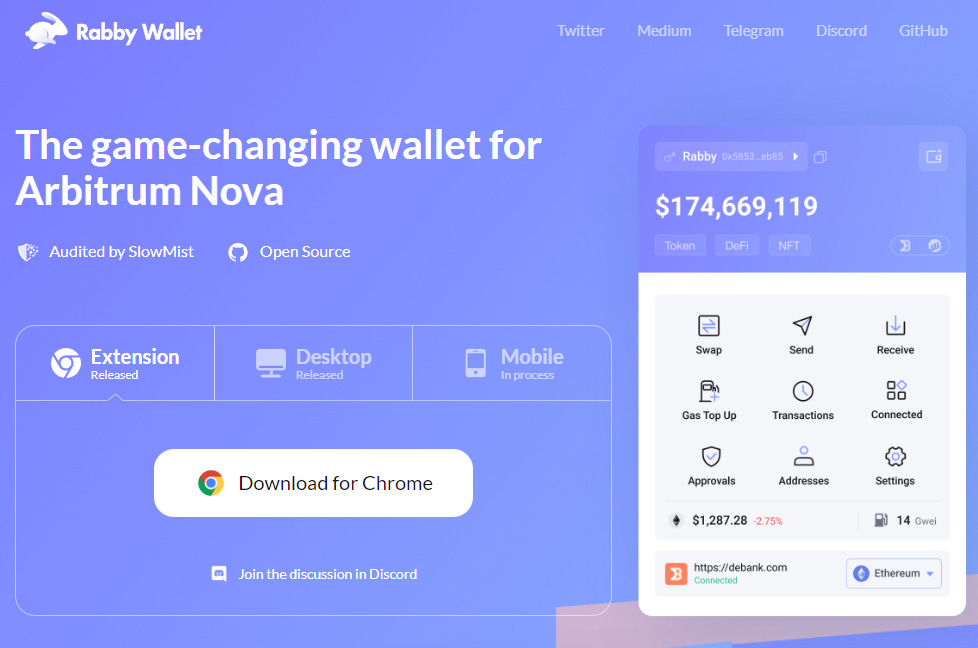
One wallet that stood out when I tested several extensions was rabby wallet. I liked how it surfaces the actions behind contract calls and offers convenient hardware integration without feeling clunky. I’ll be honest—no extension is bulletproof, but rabby wallet handles a lot of the small annoyances that often become big security holes.
Now, trust signals. Not-only audits. Community adoption, active maintainers, timely security patches, and clear, readable release notes. On a practical level, I also watch how wallets handle gas fees and nonce management; sloppy nonce handling causes failed or replaced transactions at the worst moments. FYI: transaction simulation is underrated and should be standard.
My anecdote: once I almost lost funds because a dapp auto-switched chains and the wallet’s tiny header didn’t make it obvious. I clicked through. Oops. The attacker exploited token approvals on the other chain. Lesson learned—always check the chain indicator and use a separate browser profile for DeFi tabs. Somethin’ as simple as that saves a lot of headache.
Security vs convenience. On one hand, too many prompts stop users and doom good UX. On the other hand, too few prompts make losses inevitable. Designers need to balance friction and safety. But honestly, the baseline should err toward transparency—show the calldata, show the token flows, and show the originating domain clearly so people can make informed choices.
Developer notes for wallet teams. Add domain binding to approvals, so an approval to “example.app” doesn’t suddenly authorize “example.hacker”. Rate-limit approvals per session. Offer a “revoke all” pattern that is atomic and easy to find. Integrate safer defaults like ephemeral allowances that expire after N uses. These are engineering challenges but solvable ones, and I want more wallets pushing this agenda.
Phishing protection deserves a paragraph. Phishing is low-tech but high-skill. A malicious site can mimic a dapp perfectly. A wallet that shows a clear, color-coded domain badge with a hover-to-verify feature helps reduce mistakes. Also, domain pinning—where users can pin trusted domains and block interactions from unknown origins—works well in practice. It’s a bit like pinning a contact in your phone: quick to set up and very helpful later.
On-chain privacy is another angle. Wallets that leak transaction patterns via analytics SDKs or telemetry are problematic. Ask questions about telemetry, and opt out where possible. If you care about anonymity (and many DeFi users do), prefer wallets that minimize data exfiltration and keep signature payload processing client-side.
Community tooling matters too. Integrations with scanner services that flag high-risk contracts are invaluable. But be wary: false positives exist, and blocking everything will frustrate advanced users. A balanced approach is to surface risk scores with clear reasoning, not just a red/green label that hides the nuance.
FAQ — quick answers
How do I choose a browser-extension wallet?
Look for hardware support, transaction previews, permission history, active audits, and a clear UI showing the requesting domain. Use separate browser profiles for DeFi and general browsing, and keep large holdings offline.
Are browser wallets safe for daily use?
They can be, if you use good practices: small hot wallets for daily use, hardware for large amounts, careful review of approvals, and the right browser hygiene. They reduce friction, but that same friction-reduction can create blind spots.
What common mistakes should users avoid?
Avoid infinite approvals by default, never approve transactions without checking calldata, don’t approve from unfamiliar domains, and avoid using the same wallet for games and high-value trades. Also, don’t ignore chain indicators—those little badges save lives.